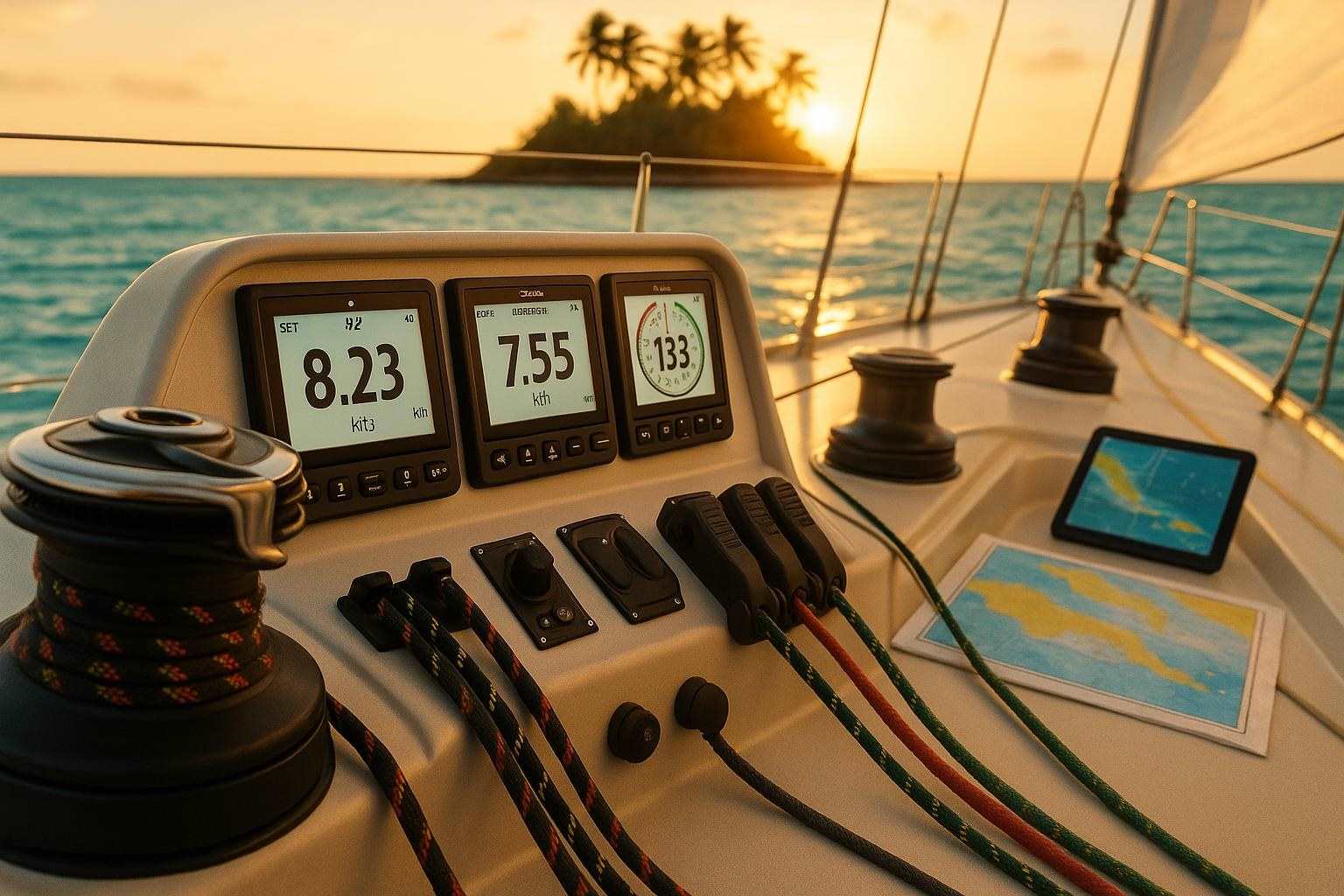
The sun dips low on the horizon spreading a light, over the waters of the Caribbean. As the people who race get ready for their matches a shared idea becomes clear: the need for plans in match racing. With many teams trying to win knowing the details of each race is very important. For sailors who want to do knowing how to change plans based on the race area and the weather is key to winning.
Understanding the winds and currents
Sailing in the Caribbean is not about the wind; it is about knowing how the wind works with the special shapes of each island. Each place has its wind patterns and currents shaped by the land and the sea. Before going teams should spend time looking at the weather the tides and how the water moves.
For example when training in St. Thomas a sailor might see the winds from the east change suddenly because of the land breeze when the sun goes down. These changes can affect how the boat approaches the windward mark. Talking to sailing guides. Asking experienced sailors who know the area can help teams get ready for these changes. Watching how the wind acts in parts of the race helps sailors make choices avoiding mistakes that can cost time.
Also knowing about the tides is very important. Some races might happen during changes in the tides which can either help or slow the boat down. Checking tide charts. Using that information in the plans before the race can give an advantage. Often a smart move with the tide can help gain time over others.
Setting up your boat for the performance
How the boat is set up is very important in match racing. From choosing the sails to changing the rig every little thing matters. It is common for teams to change their sails for conditions making sure they have the tools for the weather.
For example a team might use a sail on a day when the wind is changing a lot and a lighter sail when the wind is steady. Also,. Fixing the boat before each race can stop problems that might stop the boat from doing. Making sure every part of the boat is working, from the rudder to the keel can save time during the race.
One important part of how the boat performs is how the weight is spread. Balancing where the crew stands can change how the boat moves during moments against other boats. Practicing with the crew in wind conditions can help find the best ways to stand. It is important that every crew member knows how where they stand affects the boat. Moving weight toward the front can make the boat go faster in some conditions while moving it back can help control it in others. Testing these changes during practice can show what works best on race day.
Effective communication and teamwork
During a race being able to talk can decide if a team wins or loses. The team needs to create a way to talk that helps everyone make decisions. This could be hand signals or special words decided during practice. It is important to practice these talks so they become easy to use during the race.
When racing close to another boat clear communication is very important. For example a call to turn the boat or change direction needs to be clear and confident so everyone knows what to do. Teams that practice these talks during training often do better in moments. Also doing practice that acts like a race can help make the commands faster and better.
Another part of working is knowing what each crew member is good at. Giving tasks based on each persons skills-like adjusting sails, steering or handling the boat-can make the team better. This way every part of the race is handled well keeping the focus on doing the job. It helps to look at each persons strengths and weaknesses to make team setups and tasks during races.
Adapting to the race day conditions
Race day can bring problems that test how flexible a team is. A sudden change in the weather or something a competitor does can change the plans. It is important for teams to stay ready to change their plan. This might mean changing the sails switching how the boat is handled or even moving crew members based on the conditions.
For example if another boat is always catching up on the downwind part changing the plan and talking about ways to handle it can help. Taking a meeting after each part of the race can help the team see what worked and what didn't so they can change for the part. The weather in the Caribbean can be very changeable and sudden storms can happen. Being ready with plans, like paths or changes in the sails can save time and positions during these times. Good teams have plans for situations to change as the conditions change.
Learning from each race
After each match no matter if the team won or lost it is important to look at how things went. This review is key for getting better. The team should meet after the race to talk about what went and what didn't. This could involve watching race videos talking about choices made and looking at how the boat did. Keeping an honest talk during these meetings is important for growing as a team.
A key part of learning is to focus on the mistakes of the wins. What was wrong that made the team lose a spot? Were there any problems with talking between the crew? Asking these questions can help everyone get better and get ready for the race. Getting ideas from everyone on the team can also make sure everyone feels they are part of the learning process.
By using these lessons in practices and races the team not gets better at their plans but also grows closer as a group. This way of learning often makes the best teams stand out in the world of Caribbean match racing.
As the sun goes down over the Caribbean and the races end the real sign of success is not the prizes but the growth each sailor has. With preparation clear talks and being ready to change any team can get better at match racing. Enjoy the time, on the water.